


Hybrid vehicles are an excellent choice for those who want to reduce their carbon footprint while enjoying the comfort, style, and performance of a luxury vehicle. Lincoln’s hybrid lineup, including models like the Lincoln Aviator and Corsair, combines fuel efficiency with the sophistication you expect from a premium brand. One key question that often comes up for hybrid owners is how to charge their vehicle—whether at home or in public charging stations.
In this blog, we’ll break down the process of charging your hybrid Lincoln, discuss your home charging options, and explore how to use public charging stations to keep your vehicle powered up while on the go.
How Hybrid Charging Works: A Quick Overview
Hybrid vehicles, unlike fully electric cars, typically combine a gasoline engine with an electric motor. The battery that powers the electric motor is charged through a combination of regenerative braking and plugging into an electrical outlet. The hybrid battery is designed to assist the gasoline engine, providing better fuel efficiency and a quieter, smoother driving experience.
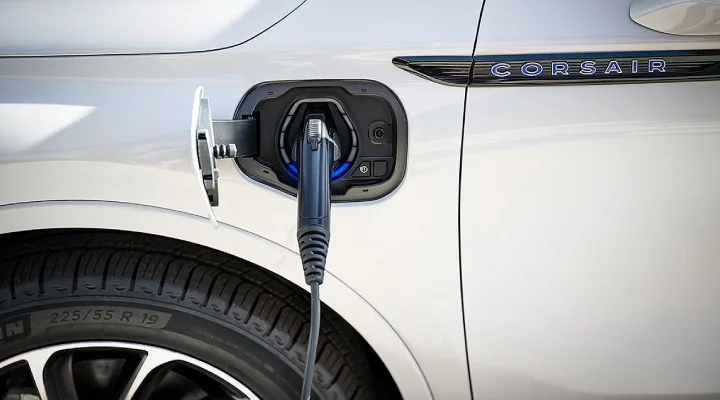
With plug-in hybrid vehicles (PHEVs) like the Lincoln Corsair Grand Touring, you can charge the battery from an external power source. This allows the vehicle to operate on electric power for short trips and reduces your reliance on gasoline.
Charging Your Hybrid Lincoln at Home
Charging your hybrid Lincoln at home is one of the most convenient options for owners. Here’s how to do it:
1. Standard 120-Volt Outlet (Level 1 Charging)
The simplest way to charge your hybrid vehicle at home is by plugging it into a standard 120-volt outlet. This is the same type of outlet you use to power most household appliances, so no special equipment is required to get started.
- How it works: Simply plug the charging cable that comes with your Lincoln into the car’s charging port and the other end into a standard household outlet.
- Charging time: Level 1 charging is slower than other methods, usually taking anywhere from 6 to 12 hours to fully charge the hybrid battery, depending on its size and the vehicle’s battery state.
- When to use it: Level 1 charging is a great option for overnight charging or if you don’t mind waiting longer for a full charge. It’s ideal for people who mostly drive short distances and return home each evening with enough time to recharge.
2. 240-Volt Outlet (Level 2 Charging)
If you want to speed up the charging process, upgrading to a 240-volt outlet, also known as Level 2 charging, is the best choice. This option requires installing a Level 2 charging station in your home, which can be done by a licensed electrician.
- How it works: Level 2 chargers are faster than standard outlets and typically use a dedicated 240-volt circuit (similar to what is used for large appliances like dryers or ovens). You plug the charging cable into the car and the wall-mounted charging station, and the vehicle begins charging much faster than with a Level 1 outlet.
- Charging time: With Level 2 charging, a typical plug-in hybrid can fully charge in about 2-4 hours, depending on the battery’s size.
- When to use it: This option is perfect for drivers who need a faster recharge or have a longer daily commute. It’s also great for families who have more than one vehicle that needs charging overnight.
3. Charging Tips for Home Use
- Avoid Overcharging: Most hybrid vehicles, including Lincolns, are equipped with smart charging systems that prevent overcharging, but it’s still important to unplug once the battery reaches 100%. This helps to maintain the longevity of your battery.
- Regularly Check Your Charging Equipment: Ensure that your charger and cable are in good condition, and that the charging port on your vehicle is clean and free of obstructions.
- Optimize Charging Time: If you’re on a time-of-use plan with your utility company, consider scheduling your charging during off-peak hours to take advantage of lower electricity rates.
Charging Your Hybrid Lincoln in Public
Public charging stations are a great way to keep your hybrid Lincoln powered up while you’re out and about. While hybrids don’t require charging as often as fully electric vehicles, there are still times when topping up your battery while on a long drive or road trip can be beneficial.
1. Public Level 2 Charging Stations
Public charging stations, especially those located in parking lots, shopping centers, or near highways, typically offer Level 2 chargers. These are similar to the 240-volt outlets you may install at home and can charge your vehicle faster than a standard outlet.
- How it works: Just like at home, you’ll plug your vehicle into the charging station using the appropriate cable. Many public charging stations are accessible via a network app or membership card, so make sure you sign up for the service in advance.
- Charging time: Charging from a public Level 2 station typically takes 2-4 hours, depending on the station’s power output and your vehicle’s charging needs.
2. Fast Charging (DC Fast Charging)
While not as common for hybrid vehicles, some larger cities and highway rest areas offer DC fast chargers, which can quickly charge a hybrid or electric vehicle’s battery to 80% in under an hour. However, because hybrid vehicles like the Lincoln Corsair Grand Touring have smaller batteries compared to full EVs, the benefits of DC fast charging are limited.
- How it works: DC fast chargers convert AC power to DC power, providing direct current to the vehicle’s battery. These chargers typically require a separate charging cable, and they’re faster than both Level 1 and Level 2 charging.
- Charging time: Expect a significant charge in about 30 minutes, but again, keep in mind that hybrids generally don’t need frequent DC fast charging like fully electric cars.
3. Finding Public Charging Stations
There are several apps and websites that can help you locate public charging stations, such as:
- PlugShare
- ChargePoint
- Tesla Supercharger network (if you have the appropriate adapter)
You can also check your Lincoln’s SYNC® system, which may include built-in tools to help you find charging stations while on the road.
Why Charging Matters for Your Hybrid Lincoln
Proper charging habits can enhance the efficiency of your hybrid vehicle, save you money on fuel, and reduce your overall environmental impact. Whether you’re charging at home or taking advantage of public stations, knowing the best methods and locations for charging your Lincoln hybrid is key to getting the most out of your vehicle.
Conclusion
Charging your hybrid Lincoln at home or in public is a convenient and easy process that ensures you get the most out of your vehicle’s efficiency. With a bit of preparation, you can keep your vehicle powered up, whether you’re at home overnight or charging on the go during a road trip. By utilizing both home and public charging options, you can enjoy the full benefits of your hybrid Lincoln, ensuring a smooth, eco-friendly, and cost-effective driving experience.
To learn more about Lincoln’s hybrid models or for advice on home charging setups, visit us at Stevens Creek Lincoln. We’re here to help you drive smarter and more sustainably!
Visit Us Today
The 2024 Lincoln Navigator combines luxury, technology, and performance to deliver an exceptional driving experience. At Stevens Creek Lincoln, we invite you to explore these top features and discover how the Navigator can elevate your journey. Visit us today for a test drive and experience firsthand what makes the Navigator the pinnacle of SUV luxury.
Sales Department:
Valley Fair Mall Boutique
2855 Stevens Creek Blvd
Suite 1133
San Jose, CA 95050
Service Department:
3155 Stevens Creek Blvd
San Jose, CA 95117
Learn more: https://www.sclincoln.com


