


How to Prepare Your Lincoln for Winter
Winter weather can be tough on vehicles, especially in areas that experience harsh temperatures and snow. For Lincoln owners, ensuring that your vehicle is properly prepared for winter is crucial for maintaining performance, safety, and reliability. Whether you own the 2024 Lincoln Nautilus or the 2025 Lincoln Aviator, following these maintenance tips will help your car stay in top condition throughout the cold season.

1. Check Your Battery
Cold weather can be hard on car batteries, causing them to lose their charge more quickly. Before winter sets in, have your battery tested to ensure it’s in good condition. If the battery is weak, replace it before the cold weather exacerbates the issue. Also, make sure the battery terminals are clean and free of corrosion.
2. Inspect Your Tires
Your tires are your first line of defense against winter driving conditions. Be sure to check the tread depth on your tires. If your tires are worn, replace them with winter tires that offer better traction on snow and ice. Don’t forget to check the tire pressure regularly, as cold temperatures can cause the air pressure to drop, leading to underinflated tires.
3. Use the Right Engine Oil
In colder weather, the engine oil in your Lincoln becomes thicker, which can make it harder for your engine to turn over. To prevent this, switch to a winter-grade oil that is formulated to perform better in low temperatures. Make sure to follow the manufacturer’s recommendations for the right oil type.
4. Ensure Your Heating and Defrost Systems Are Working
One of the most important features to check before winter is your vehicle’s heating and defrost systems. Make sure the heater blows warm air, and check that the defrosting system works to clear frost from the windshield and windows. Clear visibility is essential in winter driving, and a malfunctioning defroster can be dangerous.
5. Prepare an Emergency Kit
Winter weather can bring unpredictable road conditions, so it’s essential to keep an emergency kit in your Lincoln. Include items such as blankets, gloves, non-perishable snacks, water, jumper cables, a flashlight, and sand or kitty litter for traction if you get stuck. An emergency kit can be a lifesaver in case of unexpected delays or breakdowns.
6. Check Your Windshield Wipers and Fluid
Ensure that your windshield wipers are in good condition and replace them if they show signs of wear. In addition, use a winter-grade windshield washer fluid that won’t freeze in cold temperatures. Keeping your windshield clear is critical for safety, so make sure everything is in top working order before you face winter storms.
7. Protect Your Vehicle from Rust
Salt and chemicals used on the roads during winter can cause rust to form on your car’s undercarriage. To prevent this, wash your car regularly throughout the winter, paying extra attention to the undercarriage. Consider applying a rust-proofing treatment to help protect your vehicle’s body and frame.
Conclusion
Preparing your Lincoln for winter is essential for ensuring that it runs safely and efficiently during the cold months. By following these tips, you can protect your vehicle from the harsh elements, extend its lifespan, and drive with confidence in winter conditions.
Visit Stevens Creek Lincoln
At Stevens Creek Lincoln, our knowledgeable staff is committed to giving you an exceptional experience. Visit us today to explore our inventory, take a test drive, and discover the best options for you!
Sales Department:
Valley Fair Mall Boutique
2855 Stevens Creek Blvd
Suite 1133
San Jose, CA 95050
Service Department:
3155 Stevens Creek Blvd
San Jose, CA 95117
Learn more: https://www.sclincoln.com
The 2025 Lincoln Aviator is a luxury SUV that combines powerful performance with cutting-edge technology and an unparalleled driving experience. While its impressive exterior, spacious interior, and advanced safety features are well-known, there are some hidden gems in the Aviator that you may not be aware of. These unique features enhance comfort, convenience, and usability. In this blog post, we’ll reveal five hidden features in the 2025 Aviator that you’re sure to love.

1. Adjustable Ambient Lighting with Personalization
The 2025 Aviator’s ambient lighting system is more than just a nice visual touch. It allows you to customize the cabin’s lighting to your preferences. From mood lighting that complements your drive to subtle lighting that enhances the interior’s luxurious feel, the Aviator offers a wide array of adjustable colors and intensity levels. The system even responds to various driving conditions and can be adjusted to fit your personal style and mood.
2. Active Noise Cancellation
While most vehicles provide a quiet cabin, the Aviator takes it a step further with Active Noise Cancellation (ANC). This system uses microphones in the cabin to detect unwanted noise, then generates opposite sound waves through the speakers to neutralize it. The result is a peaceful, serene driving experience—ideal for road trips or daily commutes. You’ll be amazed at how much more comfortable long drives can be with this feature.
3. 30-Way Power-Adjustable Front Seats
While many vehicles offer power-adjustable front seats, the 2025 Aviator takes seat comfort to the next level with a remarkable 30-way power-adjustable seat system. This feature allows you to fine-tune the seat position for maximum comfort, including adjusting the lumbar support, seat cushion angle, and even the thigh support. It’s perfect for long drives or anyone who wants a truly personalized seating experience.
4. E-Latch Door Handles with Soft Close
The 2025 Aviator introduces an innovative E-Latch system for its door handles. These electronic door handles automatically latch and unlatch at the push of a button, eliminating the need for traditional mechanical handles. Once the door is closed, the soft-close mechanism gently pulls it into place, ensuring that every door closure is smooth and quiet. It’s a luxury touch that adds both convenience and elegance to the vehicle.
5. Lincoln Co-Pilot360™ Active Safety Features
While the Lincoln Co-Pilot360™ suite of safety features is well-known, the 2025 Aviator takes this system even further with enhancements to the adaptive cruise control, lane-keeping assistance, and pre-collision assist systems. The Aviator’s active safety features can adjust speed based on road conditions, assist with steering during low-speed maneuvers, and even help prevent potential collisions. It’s an intuitive system that makes driving safer and less stressful.
Conclusion
The 2025 Lincoln Aviator is a luxury SUV that’s packed with innovative features, some of which are hidden gems that can take your driving experience to the next level. From customizable ambient lighting to cutting-edge safety technology, the Aviator offers a unique combination of comfort, style, and convenience. Discover these features for yourself and elevate your experience behind the wheel.
Visit Stevens Creek Lincoln
At Stevens Creek Lincoln, our knowledgeable staff is committed to giving you an exceptional experience. Visit us today to explore our inventory, take a test drive, and discover the best options for you!
Sales Department:
Valley Fair Mall Boutique
2855 Stevens Creek Blvd
Suite 1133
San Jose, CA 95050
Service Department:
3155 Stevens Creek Blvd
San Jose, CA 95117
Learn more: https://www.sclincoln.com
Understanding Regenerative Braking in Your Lincoln Hybrid: How It Works and Why It’s Important
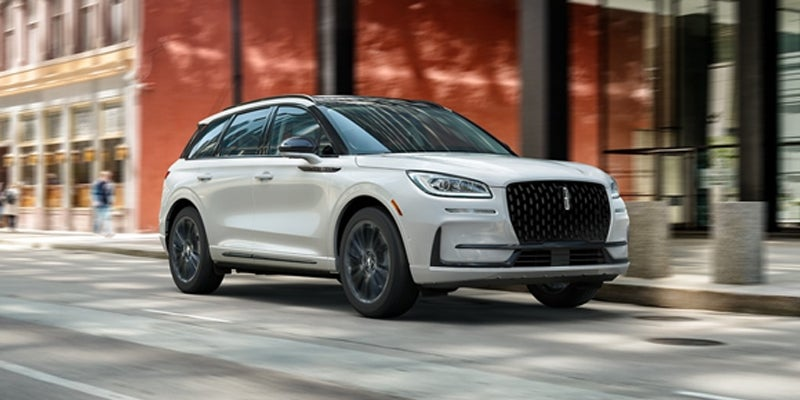
Hybrid vehicles are known for their remarkable fuel efficiency and eco-friendly design, but one of the standout features that make hybrids so efficient is regenerative braking. This system allows your Lincoln hybrid, such as the 2024 Nautilus or 2025 Aviator, to recover energy that would otherwise be lost during braking. In this blog post, we’ll explain how regenerative braking works, why it’s important, and how you can make the most of it.
1. What is Regenerative Braking?
Regenerative braking is a process that recovers energy when you slow down or stop your vehicle. Unlike conventional braking systems, which rely on friction to slow down the vehicle and convert energy into heat, regenerative braking converts the vehicle’s kinetic energy into electrical energy. This energy is then sent back to the hybrid battery, helping to recharge it and improve your overall fuel efficiency.
2. How Does Regenerative Braking Work?
When you press the brake pedal in a hybrid vehicle, instead of relying solely on traditional braking mechanisms, the electric motor temporarily reverses its role. It acts as a generator that converts the car’s forward motion into electrical energy, which is sent to the battery. The more you brake, the more energy is captured and stored.
This process occurs automatically in most hybrid vehicles, including Lincoln models like the Aviator Hybrid and Nautilus Hybrid, so you don’t need to do anything special. The vehicle’s computer system manages regenerative braking to maximize energy recovery while ensuring a smooth and safe driving experience.
3. The Benefits of Regenerative Braking
There are several benefits to regenerative braking, especially for hybrid vehicle owners:
- Improved Fuel Efficiency: Since regenerative braking recovers energy that would be wasted, it helps keep your battery charged and reduces the need for external charging or reliance on the gasoline engine.
- Reduced Brake Wear: Traditional braking systems cause friction and wear on the brake pads, but regenerative braking reduces this wear, extending the lifespan of your brake components.
- Better Control: Regenerative braking provides smoother deceleration, which can improve your overall driving experience, especially in stop-and-go traffic.
- Environmental Impact: By recovering energy and reducing reliance on the engine, regenerative braking contributes to lower emissions and a smaller carbon footprint, aligning with the eco-friendly nature of hybrid vehicles.
4. How to Maximize Regenerative Braking
While regenerative braking works automatically, there are still ways you can make the most of it:
- Drive Smoothly: Avoid sudden accelerations and harsh braking. Gradual deceleration allows the regenerative braking system to recover more energy and operate efficiently.
- Use “B” Mode: Some Lincoln hybrids, like the Nautilus and Aviator, offer a “B” (brake) mode on the gear shift. This mode increases the regenerative braking force, allowing more energy to be captured during deceleration.
- Maintain the Battery: Ensure that your hybrid battery is properly maintained by following the recommended service schedule. A healthy battery ensures that regenerative braking can efficiently store the recovered energy.
5. Conclusion
Regenerative braking is an essential feature that enhances the efficiency and performance of your Lincoln hybrid. By understanding how it works and how to optimize it, you can enjoy a smoother, more eco-friendly driving experience while maximizing the longevity of your vehicle’s battery and braking system.
Visit Stevens Creek Lincoln
At Stevens Creek Lincoln, our knowledgeable staff is committed to giving you an exceptional experience. Visit us today to explore our inventory, take a test drive, and discover the best options for you!
Sales Department:
Valley Fair Mall Boutique
2855 Stevens Creek Blvd
Suite 1133
San Jose, CA 95050
Service Department:
3155 Stevens Creek Blvd
San Jose, CA 95117
Learn more: https://www.sclincoln.com
Common Myths About Hybrid Batteries Debunked
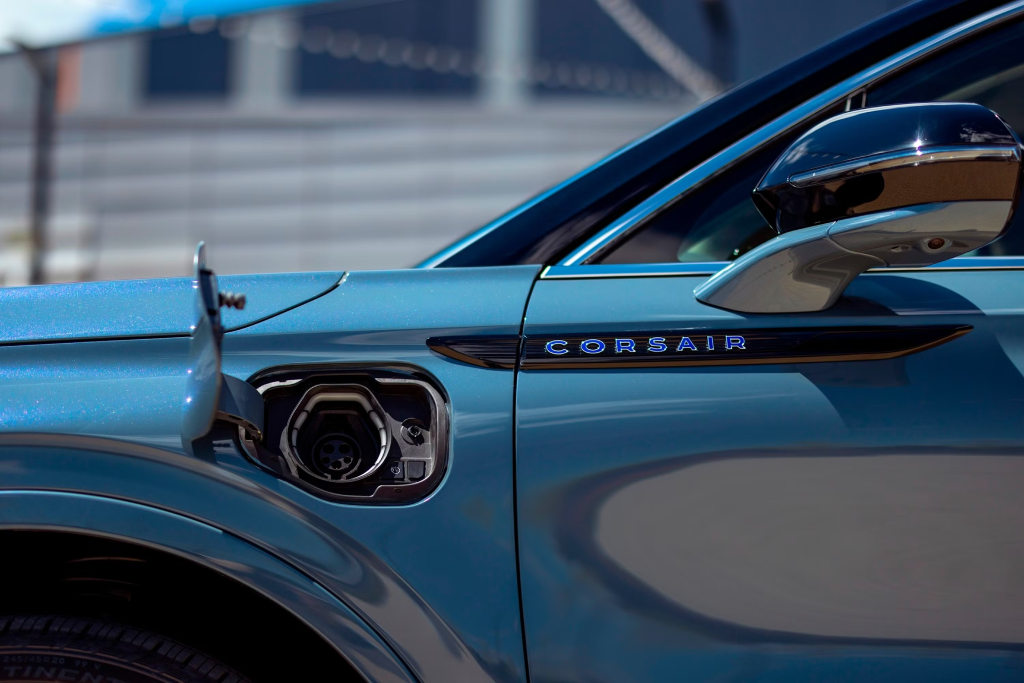
Hybrid vehicles are becoming more popular due to their environmental benefits and cost savings, but there are still a lot of misconceptions about hybrid batteries. In this post, we will debunk some of the most common myths surrounding hybrid car batteries and provide the facts you need to know about maintaining and enjoying your Lincoln hybrid.
1. Myth: Hybrid Batteries Need to Be Replaced Frequently
One of the biggest myths about hybrid vehicles is that the batteries need to be replaced every few years. In reality, hybrid batteries are built to last much longer than most people think. With proper care and regular maintenance, a hybrid battery can last well beyond 100,000 miles and often up to 150,000 miles or more. Many manufacturers, including Lincoln, offer warranties for hybrid batteries that cover them for 8 years or more.
2. Myth: Hybrid Batteries Are Extremely Expensive to Replace
While it’s true that hybrid batteries can be expensive to replace, they are not as costly as many people assume. Over the years, the price of hybrid batteries has decreased significantly, and many hybrid vehicles, including the Lincoln Nautilus and Aviator, are designed to be cost-effective when it comes to battery replacement. Additionally, with proper care, the likelihood of needing a new battery within the first 8-10 years is low.
3. Myth: Hybrid Batteries Are Hazardous to the Environment
Some people believe that hybrid batteries are dangerous for the environment due to their disposal. However, hybrid batteries are recyclable, and the majority of the components can be reused or repurposed. In fact, many manufacturers, including Lincoln, have recycling programs in place to ensure that batteries are disposed of properly, minimizing their environmental impact.
4. Myth: Hybrid Batteries Don’t Last in Extreme Weather
Extreme weather conditions, like very cold winters or extremely hot summers, are often thought to negatively affect hybrid batteries. While it is true that temperature extremes can have an impact on battery efficiency, modern hybrid batteries are designed to withstand a wide range of temperatures. Proper maintenance, like ensuring your cooling system is working properly, will help prevent issues during extreme weather.
5. Myth: Hybrid Cars Are Less Powerful Than Gas-Powered Cars
Another common misconception is that hybrid vehicles are underpowered compared to their gasoline counterparts. While hybrids may not always have the same raw horsepower as traditional vehicles, they are engineered to be more fuel-efficient without sacrificing performance. Lincoln hybrids, such as the 2024 Nautilus and the 2025 Aviator, offer plenty of power for everyday driving and are more than capable of handling various road conditions.
6. Myth: Hybrids Require Special Maintenance
Many people think that hybrid vehicles require specialized maintenance compared to regular cars. In fact, hybrid vehicles are maintained in much the same way as traditional vehicles. Regular maintenance tasks like oil changes, tire rotations, brake checks, and fluid top-ups are just as important for hybrids. The hybrid system itself doesn’t require frequent maintenance unless there is a specific issue.
Conclusion
Hybrid car batteries are often misunderstood, but with the right information, you can see that they are durable, efficient, and environmentally friendly. By debunking these common myths, we hope to make hybrid ownership easier and more enjoyable for Lincoln drivers.
Visit Stevens Creek Lincoln
At Stevens Creek Lincoln, our knowledgeable staff is committed to giving you an exceptional experience. Visit us today to explore our inventory, take a test drive, and discover the best options for you!
Sales Department:
Valley Fair Mall Boutique
2855 Stevens Creek Blvd
Suite 1133
San Jose, CA 95050
Service Department:
3155 Stevens Creek Blvd
San Jose, CA 95117
Learn more: https://www.sclincoln.com
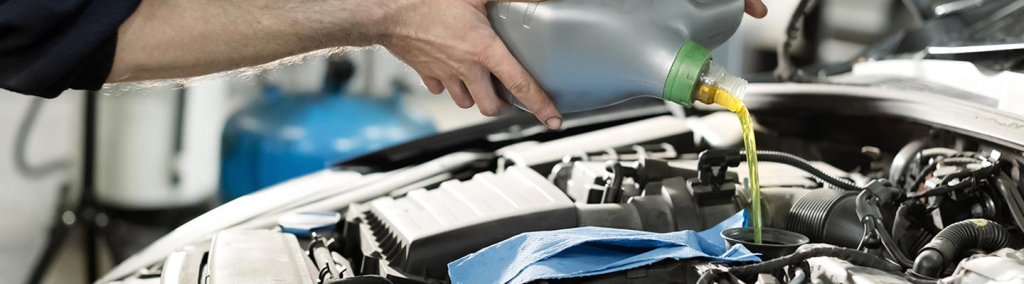
Oil changes are one of the most important aspects of car maintenance. Regardless of whether you drive a gasoline-powered vehicle or a hybrid, keeping your engine well-lubricated is crucial for smooth operation. In this blog post, we’ll explore why regular oil changes are so important for your car’s engine, the benefits they offer, and how often you should schedule one.
1. The Role of Engine Oil
Engine oil plays a vital role in keeping the moving parts of your engine lubricated and functioning properly. It reduces friction between engine components, preventing wear and tear. It also helps cool the engine by carrying heat away from critical parts. Without regular oil changes, your engine can suffer from reduced performance, overheating, and even total failure.
2. Prevents Engine Wear and Tear
Over time, oil breaks down and becomes less effective at lubricating the engine. When this happens, the engine components begin to rub together without the protection of oil, leading to increased wear. Regular oil changes ensure that your engine always has fresh oil, keeping internal parts protected and reducing the risk of expensive repairs.
3. Improves Engine Efficiency
Old, dirty oil can make your engine work harder, reducing its overall efficiency. Fresh oil keeps the engine running smoothly, helping it perform optimally and use fuel more efficiently. Regular oil changes contribute to better gas mileage and can extend the life of your engine, improving the overall performance of your vehicle.
4. Enhances Engine Longevity
Changing the oil regularly is one of the simplest ways to ensure that your engine lasts for a long time. It helps to prevent sludge buildup and removes harmful contaminants that can damage the engine over time. With proper maintenance, your vehicle can last for many more miles and retain its performance throughout its lifespan.
5. Keeps Your Vehicle Running Smoothly
A well-maintained engine will run more smoothly and be less prone to breakdowns. Regular oil changes help keep the engine in top shape, reducing the chances of malfunctioning parts or a sudden breakdown. This is especially important when you rely on your car for everyday use or long road trips.
6. Protects Your Car’s Warranty
For new vehicles, including your Lincoln Nautilus or Aviator, regular oil changes may be a requirement to maintain the manufacturer’s warranty. Failing to meet this requirement could void your warranty, leading to potential financial hardship if any repairs are needed later. Be sure to follow the manufacturer’s recommended maintenance schedule.
7. How Often Should You Change the Oil?
The frequency of oil changes depends on several factors, including the type of oil used and your driving habits. Typically, it is recommended to change the oil every 3,000 to 5,000 miles for traditional vehicles using conventional oil. However, synthetic oils can last longer, often between 7,500 and 10,000 miles. Check your vehicle’s manual for the exact recommendations specific to your make and model.
8. Conclusion
Regular oil changes are essential for maintaining the performance and longevity of your vehicle’s engine. They help prevent engine wear, improve efficiency, and ensure your car runs smoothly for years to come. Be sure to schedule oil changes according to your car’s maintenance schedule and use the appropriate oil for your vehicle’s needs.
Visit Stevens Creek Lincoln
At Stevens Creek Lincoln, our knowledgeable staff is committed to giving you an exceptional experience. Visit us today to explore our inventory, take a test drive, and discover the best options for you!
Sales Department:
Valley Fair Mall Boutique
2855 Stevens Creek Blvd
Suite 1133
San Jose, CA 95050
Service Department:
3155 Stevens Creek Blvd
San Jose, CA 95117
Learn more: https://www.sclincoln.com
Hybrid vehicles like the Lincoln Nautilus Hybrid and Aviator Hybrid are revolutionizing the way we drive. While these vehicles are known for their incredible fuel efficiency and eco-friendly design, the heart of a hybrid is its battery. Keeping your hybrid car battery in top condition is essential for maximizing the vehicle’s performance, efficiency, and longevity. Here’s an in-depth look at how to properly maintain your hybrid car battery, ensuring it serves you well for years to come.

1. Understand the Basics of Hybrid Batteries
Hybrid vehicles use two power sources: an internal combustion engine (ICE) and an electric motor powered by a high-voltage battery. The hybrid battery is typically a lithium-ion battery or nickel-metal hydride (NiMH) battery, which is designed to last for many years. However, like any battery, it requires regular maintenance to ensure it continues to perform at its best.
2. Keep Your Battery Clean and Dry
One of the most important steps in maintaining your hybrid battery is ensuring that it stays clean and dry. Dirt, grime, and moisture can lead to corrosion on the battery terminals, which can affect the battery’s performance. Regularly inspect the battery for dirt or debris and clean it with a soft cloth. If you’re uncertain about cleaning your battery, have a professional inspect it during routine maintenance visits.
3. Avoid Deep Discharges
Hybrid batteries work best when they’re kept within a certain range of charge. Letting your battery charge drop too low or go too high can reduce its lifespan. To preserve the battery, try to avoid fully depleting it or overcharging it. Many hybrid cars, including the Lincoln hybrids, are equipped with systems that automatically manage the charge, but it’s still good practice to avoid pushing the limits too much.
4. Monitor Battery Performance
As a hybrid owner, it’s important to stay on top of the battery’s performance. Pay attention to the battery’s charging times, how often it needs to recharge, and any warning lights or messages that indicate a problem. Some signs of a failing hybrid battery include a decrease in fuel efficiency, noticeable delays in acceleration, or frequent charging without sufficient range.
5. Keep the Cooling System in Check
Hybrid batteries generate heat during use, and to prevent overheating, the battery must have a proper cooling system. Overheating is one of the leading causes of premature battery failure. Make sure to keep the cooling system clean and free of obstructions. In some cases, you may need to replace or clean air filters related to the battery’s cooling system to maintain proper airflow.
6. Drive Smart and Use Regenerative Braking
Your driving habits also impact the longevity of the hybrid battery. Smooth driving with gradual acceleration and braking helps preserve the battery’s life. Additionally, using regenerative braking—which recharges the battery as you brake—helps to keep the battery charged while reducing wear. The Lincoln hybrids are equipped with regenerative braking, so be sure to use it to your advantage.
7. Schedule Regular Battery Checks
Even with all the best practices, the hybrid battery will require periodic check-ups by a professional. Regularly scheduled service visits will allow for diagnostics and ensure that the battery is functioning optimally. During a routine service, a technician will check the battery’s charge cycles, coolant levels, and performance to ensure everything is running smoothly.
8. Replace the Battery When Necessary
Hybrid batteries are built to last, but they will eventually wear out. If you notice a significant drop in performance or efficiency, it might be time to consider a replacement. Hybrid battery replacement can be expensive, but it’s an investment in your vehicle’s performance and your long-term savings on fuel.
Conclusion
Maintaining your hybrid battery is crucial for keeping your Lincoln hybrid running efficiently and extending the vehicle’s lifespan. By following these tips, you’ll ensure that your vehicle’s hybrid battery stays in excellent condition for years to come. Regular maintenance, smart driving habits, and monitoring your battery’s performance will all contribute to the longevity of your hybrid vehicle.
Visit Stevens Creek Lincoln
At Stevens Creek Lincoln, our knowledgeable staff is committed to giving you an exceptional experience. Visit us today to explore our inventory, take a test drive, and discover the best options for you!
Sales Department:
Valley Fair Mall Boutique
2855 Stevens Creek Blvd
Suite 1133
San Jose, CA 95050
Service Department:
3155 Stevens Creek Blvd
San Jose, CA 95117
Learn more: https://www.sclincoln.com
Introduction:
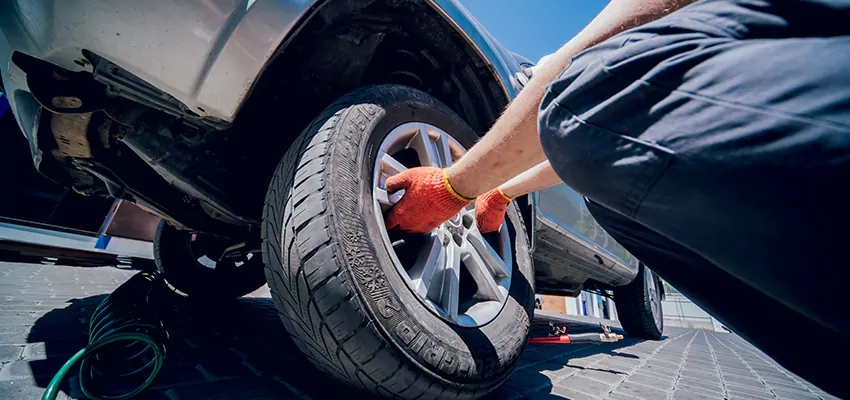
Tires are one of the most important components of your Lincoln. Not only do they affect your car’s handling and comfort, but they also play a key role in safety, fuel efficiency, and overall driving performance. Whether you’re driving a sleek Lincoln MKZ sedan or the powerful Lincoln Navigator SUV, proper tire care is essential for ensuring that your vehicle performs at its best. In this post, we’ll cover everything you need to know about maintaining your Lincoln’s tires to ensure they last as long as possible and provide optimal performance.
1. Why Tire Care Matters: The Impact of Tires on Your Lincoln’s Performance
Tires are the only point of contact between your vehicle and the road. The condition of your tires directly impacts various aspects of driving, including:
- Safety: Worn-out or improperly inflated tires can reduce your ability to stop effectively, especially in wet or icy conditions.
- Fuel Efficiency: Under-inflated tires increase rolling resistance, making the engine work harder and decreasing fuel economy.
- Comfort and Handling: Properly maintained tires ensure that your Lincoln rides smoothly and handles turns with stability and confidence.
2. How to Check Tire Pressure Regularly
Maintaining the correct tire pressure is one of the simplest yet most important tire care practices.
- Recommended PSI: Every Lincoln comes with a recommended tire pressure (measured in PSI) listed on a sticker inside the driver’s door frame or in the owner’s manual. For most models, the recommended range is between 30-35 PSI.
- Tire Pressure Gauge: Use a reliable tire pressure gauge to check your tire pressure regularly. If the pressure is too low, inflate the tires to the correct level.
- Cold Tires: Always check tire pressure when the tires are cold, as heat from driving can temporarily increase the pressure.
3. Rotate Your Tires: Ensuring Even Wear
Tire rotation is crucial for ensuring that the tires wear evenly, which can extend their lifespan and improve performance.
- When to Rotate: Lincoln recommends rotating your tires every 6,000 to 8,000 miles, or as specified in your vehicle’s owner’s manual.
- Why Rotate?: Front tires often wear faster than rear tires due to steering forces, so rotating them regularly ensures uniform wear and helps maintain balanced handling.
4. Inspecting for Wear and Tear
Regularly inspecting your tires for damage or wear can help you catch potential issues before they become safety hazards.
- Tread Depth: Use the penny test to check tire tread depth. Insert a penny into the tread with Lincoln’s head facing down—if you can see the top of Lincoln’s head, it’s time to replace your tires.
- Check for Uneven Wear: Uneven tire wear can indicate issues with alignment or suspension that should be addressed by a professional.
- Sidewall Damage: Inspect the sidewalls of your tires for cracks, cuts, or bulges. If you spot any damage, replace the tire immediately.
5. When to Replace Tires
Even with proper care, tires have a limited lifespan.
- Tire Age: Most tire manufacturers recommend replacing tires every 6 years or after 10 years, regardless of tread wear. This is because rubber deteriorates over time, even if the tread looks fine.
- Tire Replacement: If your tires have worn down or are showing signs of damage, it’s time to replace them with new, high-quality tires that are compatible with your Lincoln model.
Conclusion:
Caring for your Lincoln’s tires is a simple but vital task that plays a key role in your vehicle’s performance, safety, and efficiency. By regularly checking tire pressure, rotating tires, inspecting for wear, and replacing tires when necessary, you ensure that your vehicle remains in optimal condition. Taking the time to care for your tires will keep your Lincoln running smoothly for years to come.
Visit Stevens Creek Lincoln
At Stevens Creek Lincoln, our knowledgeable staff is committed to giving you an exceptional experience. Visit us today to explore our inventory, take a test drive, and discover the best options for you!
Sales Department:
Valley Fair Mall Boutique
2855 Stevens Creek Blvd
Suite 1133
San Jose, CA 95050
Service Department:
3155 Stevens Creek Blvd
San Jose, CA 95117
Learn more: https://www.sclincoln.com
Introduction:
For many drivers, fuel economy is one of the most important factors when choosing a vehicle. Luckily, Lincoln’s lineup of luxury SUVs and sedans, including the Lincoln MKZ, Corsair, and Navigator, offers impressive fuel efficiency. However, whether you’re driving a hybrid or a traditional gas-powered engine, optimizing your fuel economy is something every Lincoln owner should consider. In this post, we’ll explore effective strategies to maximize your Lincoln’s miles per gallon (MPG) and save money at the pump.
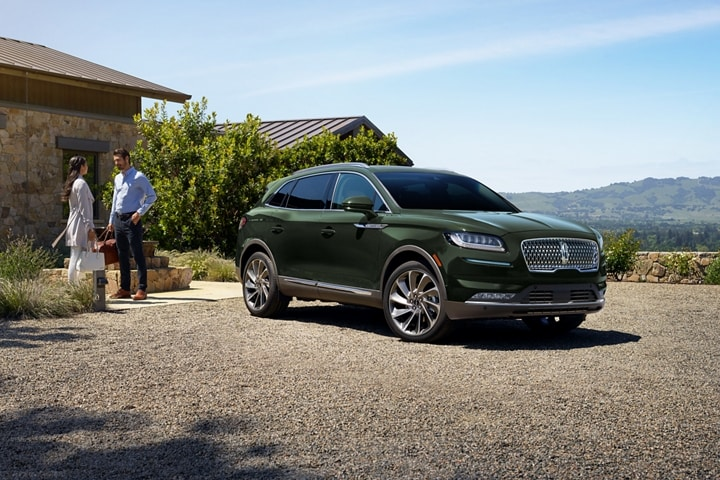
1. Keep Your Tires Properly Inflated
Proper tire maintenance is critical for optimal fuel efficiency. Under-inflated tires increase rolling resistance, meaning the engine must work harder to move the vehicle, resulting in lower fuel economy.
- Check Tire Pressure Regularly: Use a tire pressure gauge to check your tire pressure at least once a month. Make sure the tires are inflated to the manufacturer-recommended levels.
- Avoid Overloading: Excess weight in your car can also reduce fuel economy. Check your tire’s load rating to ensure it’s not overloaded.
2. Drive Smoothly and Avoid Rapid Acceleration
Aggressive driving, including rapid acceleration and hard braking, reduces fuel efficiency significantly. To make the most out of every gallon of gas:
- Accelerate Slowly: When you start from a stop, gradually accelerate instead of slamming the pedal. This reduces the strain on your engine and increases fuel efficiency.
- Avoid Sudden Braking: Anticipate stops and allow the vehicle to coast to a stop whenever possible. This reduces the need for sudden braking, which wastes fuel.
3. Maintain a Consistent Speed
The faster you drive, the more fuel your car uses. Maintaining a consistent speed on the highway, especially with cruise control, can save you significant amounts of fuel.
- Use Cruise Control: On highways, using cruise control will help you maintain a steady speed and prevent unnecessary acceleration.
- Drive Below 65 MPH: Research shows that driving at speeds higher than 65 MPH can lead to a noticeable decrease in fuel efficiency.
4. Keep Your Vehicle Well-Maintained
Regular maintenance is essential to ensuring that your Lincoln’s engine is running at peak efficiency.
- Oil Changes: Regular oil changes with high-quality oil ensure that the engine operates smoothly and efficiently. Consult your owner’s manual for the recommended oil change interval.
- Air Filter Replacement: A clogged air filter can reduce fuel economy by up to 10%. Make sure to replace the air filter regularly to maintain optimal engine performance.
- Fuel System Maintenance: Cleaning your fuel injectors and ensuring the fuel system is working properly can improve combustion efficiency, helping you maximize fuel economy.
5. Reduce Excess Weight and Drag
Excess weight and aerodynamic drag can both lower your car’s fuel efficiency.
- Remove Roof Racks and Carriers: If you don’t need them, remove roof racks, bike carriers, or cargo boxes. These items increase wind resistance and can lower your fuel economy by up to 25%.
- Clear the Trunk: Unnecessary items in your trunk add weight, making the engine work harder. Keep the trunk free of heavy, unnecessary items.
6. Choose the Right Fuel and Use Premium When Necessary
If you drive a model that requires premium fuel, make sure to use it as specified. While premium fuel is more expensive, it can provide better engine performance and fuel efficiency.
- Use Recommended Fuel: Always use the fuel grade recommended by your Lincoln’s manufacturer to optimize both performance and fuel economy.
Conclusion:
By implementing these simple yet effective driving tips, you can maximize your Lincoln’s fuel economy, save money, and reduce your carbon footprint. From keeping your tires properly inflated to maintaining a steady speed on highways, every small change can have a significant impact on your overall fuel efficiency. So, whether you’re driving the city streets or cruising the open road, these tips will help you get the most out of your Lincoln and enjoy every mile.
Visit Stevens Creek Lincoln
At Stevens Creek Lincoln, our knowledgeable staff is committed to giving you an exceptional experience. Visit us today to explore our inventory, take a test drive, and discover the best options for you!
Sales Department:
Valley Fair Mall Boutique
2855 Stevens Creek Blvd
Suite 1133
San Jose, CA 95050
Service Department:
3155 Stevens Creek Blvd
San Jose, CA 95117
Learn more: https://www.sclincoln.com
Introduction:
When it comes to luxury vehicles, performance is just as important as design and comfort. One of the standout features of the latest Lincoln models, such as the Lincoln Aviator and Lincoln Navigator, is the powerful 3.0L Twin-Turbocharged V6 engine. Engineered for a remarkable blend of power, efficiency, and smooth performance, this engine sets Lincoln apart from the competition. Let’s dive into why the 3.0L Twin-Turbocharged V6 engine is a game-changer for luxury SUVs and sedans.
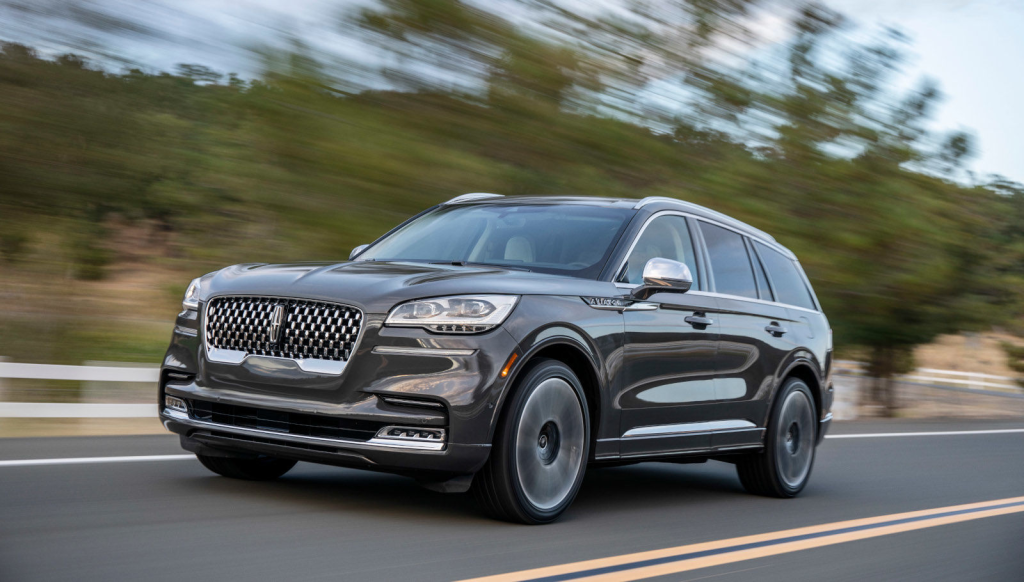
1. Power and Performance: A Closer Look at the 3.0L Twin-Turbocharged V6 Engine
The 3.0L Twin-Turbocharged V6 engine is designed to deliver exceptional power without sacrificing efficiency. Here’s why it stands out:
- Horsepower and Torque: The engine generates impressive horsepower, ranging from 400 to 450 horsepower, depending on the specific model. This powerful output ensures that the vehicle accelerates quickly, even with a full load or when towing heavy equipment.
- Torque: With a peak torque of 400 lb-ft, the engine offers robust low-end power, making it ideal for towing, merging on highways, and off-road adventures. This torque provides a smooth and dynamic driving experience, regardless of road conditions.
2. Twin-Turbocharged Technology: Maximizing Efficiency
What makes the 3.0L engine particularly unique is its twin-turbocharged system:
- Turbocharging Benefits: Turbochargers work by forcing more air into the engine, which allows for more fuel to be burned, resulting in greater power output. The result is a more fuel-efficient engine without sacrificing power. The twin-turbo system boosts the engine’s performance while keeping fuel consumption relatively low, especially in comparison to naturally aspirated engines.
- Faster Response Time: Twin turbos are tuned for quicker throttle response, providing immediate power when you need it, whether you’re accelerating from a stoplight or overtaking another vehicle on the highway.
3. Fuel Efficiency: Saving at the Pump
While the performance of this engine is impressive, it also strikes a balance with fuel economy. Thanks to the turbocharging technology, the 3.0L V6 engine is designed to maximize fuel efficiency in both city and highway driving. Here are some key fuel-saving features:
- EcoBoost® Technology: EcoBoost engines are specifically designed to provide the power you need while using less fuel. The 3.0L V6 is an excellent example of this, offering excellent mileage without compromising performance.
- Variable Displacement: Variable displacement allows the engine to reduce the number of active cylinders when full power is not needed, helping save fuel during cruising and highway driving.
4. Towing and Payload Capacity: Hauling with Ease
Another feature that makes the 3.0L Twin-Turbocharged V6 engine stand out is its towing capability. With its remarkable torque and power, Lincoln’s 3.0L engine can easily tow heavy loads.
- Towing Capacity: Depending on the model, the engine supports towing capabilities ranging from 5,000 lbs to 8,000 lbs, which is impressive for a luxury SUV or sedan. Whether you’re hauling a trailer, boat, or camper, this engine offers the power needed for your adventures.
- Payload: In addition to towing, this engine also allows for a strong payload capacity, making it ideal for carrying heavy luggage or equipment for road trips.
5. Smooth Driving Experience: Engine Refinement
While power is essential, smoothness and comfort are key when driving a luxury vehicle. Lincoln has fine-tuned the 3.0L Twin-Turbocharged V6 engine to offer:
- Quiet Operation: Lincoln’s engineers have worked to ensure that the engine remains quiet and refined, even under hard acceleration. The 3.0L V6 delivers smooth power without an intrusive engine noise, keeping the cabin peaceful.
- Seamless Transitions: The pairing of this engine with an advanced 10-speed automatic transmission ensures smooth shifting and uninterrupted power delivery.
Conclusion:
Lincoln’s 3.0L Twin-Turbocharged V6 engine represents the perfect balance between performance, efficiency, and refinement. Whether you’re driving in the city or heading out on a weekend adventure, this engine is designed to deliver the power you need while maximizing fuel efficiency and minimizing engine noise. If you’re in the market for a luxury vehicle that offers power without compromise, the 3.0L Twin-Turbocharged V6 engine in models like the Lincoln Aviator and Navigator should be at the top of your list.
Visit Stevens Creek Lincoln
At Stevens Creek Lincoln, our knowledgeable staff is committed to giving you an exceptional experience. Visit us today to explore our inventory, take a test drive, and discover the best options for you!
Sales Department:
Valley Fair Mall Boutique
2855 Stevens Creek Blvd
Suite 1133
San Jose, CA 95050
Service Department:
3155 Stevens Creek Blvd
San Jose, CA 95117
Learn more: https://www.sclincoln.com
When it comes to luxury vehicles, comfort is paramount. One of the most crucial aspects of comfort in any car is the seating. In a Lincoln, the seats are designed not just for style but also for exceptional convenience and support. At Stevens Creek Lincoln, we understand how important it is for drivers and passengers to feel relaxed and secure during every journey. Let’s delve into the various features of Lincoln seats that prioritize convenience and enhance your overall driving experience.
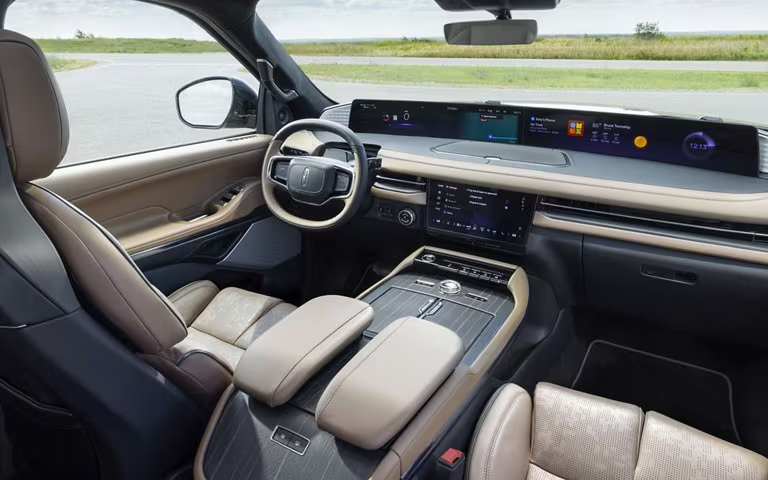
1. Multi-Contour Seats
One of the standout features in many Lincoln models is the multi-contour seat technology. This innovative design provides an unmatched level of comfort by allowing drivers and passengers to adjust their seating positions to suit their personal preferences.
- Customizable Support: Multi-contour seats come equipped with various adjustments, including lumbar support and side bolsters that can be tailored to fit your body shape perfectly.
- Massage Functionality: Some models even feature a massage function, offering soothing relief during long drives or daily commutes. This feature can significantly reduce fatigue and enhance relaxation.
2. Heated and Ventilated Seats
Whether it’s a chilly winter morning or a hot summer day, Lincoln’s heated and ventilated seats ensure that you remain comfortable regardless of the weather conditions.
- Heated Seats: Enjoy the warmth of heated seats, which can be adjusted to different temperature settings. This feature is particularly appreciated during cold months, providing instant warmth and comfort.
- Ventilated Seats: On the flip side, ventilated seats promote airflow, helping to keep you cool and comfortable on hot days. This dual functionality ensures that every ride feels just right.
3. Power Adjustability
Gone are the days of manual seat adjustments. Lincoln seats come with power-adjustable options that allow for quick and effortless positioning.
- Easy Access: With a simple touch of a button, you can move your seat forward, backward, or change the height, making it easier to find your perfect driving position.
- Memory Settings: Many Lincoln models offer memory settings, allowing multiple drivers to save their preferred seat positions. This feature is particularly useful for families who share a vehicle, ensuring everyone can quickly adjust to their comfort level.
4. Spaciousness and Ergonomics
Lincoln vehicles are designed with spacious interiors that provide ample room for both drivers and passengers. The ergonomic design of the seats plays a significant role in this:
- Generous Legroom: The generous legroom ensures that even tall passengers can stretch comfortably without feeling cramped.
- Well-Cushioned Seats: The cushioning in Lincoln seats is specifically engineered to offer support during long drives, preventing discomfort and promoting good posture.
5. Accessibility Features
For added convenience, Lincoln prioritizes accessibility in its seating arrangements:
- Easy Entry and Exit: The height of Lincoln seats is designed for easy entry and exit, making it simpler for passengers of all ages, including those with mobility challenges, to get in and out of the vehicle.
- Rear Seat Comfort: Many Lincoln models feature rear seats that provide ample comfort and support, with options for reclining and additional legroom to enhance the experience for passengers in the back.
6. Quality Materials
Luxury goes hand-in-hand with quality, and Lincoln does not disappoint when it comes to the materials used in their seats:
- Premium Upholstery: Lincoln offers various upholstery options, including rich leather and high-quality fabrics that not only look sophisticated but also feel luxurious against the skin.
- Durability: The materials are chosen not just for aesthetics but also for durability, ensuring that your seats maintain their beauty and functionality over time.
7. Seat Convenience Technology
Modern technology enhances seat convenience in Lincoln vehicles, making driving easier and more enjoyable:
- Integrated Controls: Controls for heated, ventilated, and power adjustments are intuitively placed within easy reach, allowing you to make adjustments without taking your eyes off the road.
- Smart Features: Some models feature advanced technologies that remember your seat settings, ensuring that every time you enter your vehicle, it’s ready to accommodate you perfectly.
Conclusion: Elevate Your Driving Experience with Lincoln Seats
The seats in your Lincoln are more than just a place to sit—they are a key component of the luxury and convenience that define the brand. With features designed for comfort, functionality, and style, Lincoln seats elevate every journey, whether you’re commuting to work or embarking on a cross-country adventure.
At Stevens Creek Lincoln, we invite you to experience the exceptional comfort and convenience of Lincoln seats firsthand. Visit us today to test drive a model of your choice and discover the luxurious seating options that await you!
Visit Stevens Creek Lincoln
At Stevens Creek Lincoln, our knowledgeable staff is committed to giving you an exceptional experience. Visit us today to explore our inventory, take a test drive, and discover the best options for you!
Sales Department:
Valley Fair Mall Boutique
2855 Stevens Creek Blvd
Suite 1133
San Jose, CA 95050
Service Department:
3155 Stevens Creek Blvd
San Jose, CA 95117
Learn more: https://www.sclincoln.com


